Science is the key to exploring the mysteries of life. For humanity, survival itself remains one of the greatest and noblest goals — and science is central to achieving it.
For developing countries, progress requires embracing change. Development cannot coexist with a rigid or static worldview. The spirit of inquiry — to question, to explore, and to rely on facts — must be nurtured and strengthened. Scientific exploration carries within it a cohesive and purposeful drive, setting in motion processes that shape future development and inspire optimism. Indeed, most challenges faced by developing nations can be addressed through the thoughtful application of modern science and technology, which continue to transform the world at an unprecedented pace.
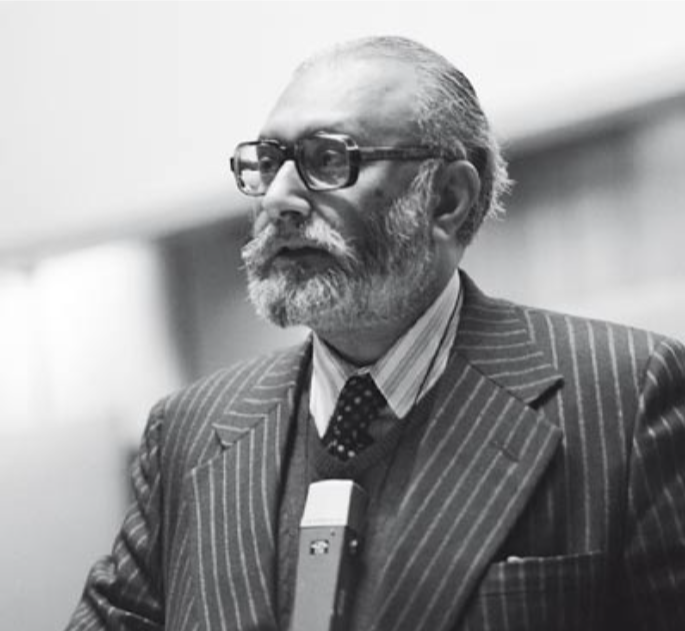
In the developing countries, there is a general lack of commitment towards acquiring and enhancing scientific knowledge. Universities do not create science or support scientific research. As such, there is a very small number of active scientists and any effort made to promote science is half hearted. Professor Abdus Salam, in one of his articles, laments about the state of science & technology in developing countries:

Unfortunately, in many developing countries, there is still a lack of serious commitment to advancing scientific knowledge. Universities often fail to generate science or actively support research, resulting in a limited number of active scientists. Efforts to promote science are often half-hearted. Reflecting on this state of affairs, Professor Abdus Salam wrote:
“The Third World, despite its realization that science and technology are its sustenance and its major hope for economic betterment, has taken to science as only a marginal activity.”.
Prof. Salam further emphasized:
“The Third World as a whole is slowly waking up to the realization that in the last analysis science and technology are what distinguish the South from the North. On science and technology depend the standards of living of a nation and its defense standing. The widening gap between nations of the North and the South is basically the Science Gap. Now, while the South is making some purposeful efforts to acquire technology, very few of us have yet woken up to the need of acquiring science as well.”
He cautioned against the illusion of technology without science:
“It is just impossible to talk (only) of technology transfer. One should talk of science transfer first, and technology transfer later. Unless you are very good at science, you will never be good at technology.”
The best way to check this is through international cooperation to promote the development of science & technology. It may not be enough to provide loans and capital but it must be realized that the sharing of the essential know-how in science & technology education is the real driving force. Enlightened aid thus should aim at enabling the developing countries to exploit their resources and gradually become self-reliant. Science & technology cannot merely be transplanted in a country. Transfer of technology is of limited value if the means are not available for its assimilation, adoption and application by the recipient state..
One of the greatest attributes of science is its universality. It knows no borders, encourages global cooperation, and broadens horizons. The scientific community is bound by the pursuit of truth — a universal endeavor that resists barriers and thrives on the free exchange of ideas. No country can claim to have advanced its science without external collaboration. Indeed, science draws vitality from interaction, dialogue, and shared experiences. Attempts to restrict it only stifle growth.
Progress in research, therefore, depends on collective effort. Conferences, seminars, and meetings are vital platforms where scientists exchange knowledge, avoid duplication of effort, and spark new directions of inquiry. Science flourishes where communication thrives — especially through face-to-face discussions, the most effective form of professional exchange.
For science to take root in any culture, its value must be widely recognized. Strengthening and upgrading scientific manpower requires long-term strategies for education, training, and information exchange. Above all, a culture of effective communication and collaboration must be fostered — because the growth of knowledge depends not on isolation, but on the free and open sharing of ideas.