51st International Nathiagali Summer College on Physics and Contemporary Needs - 2026
6th – 18th July, 2026
INSC Activity - IV: Nuclear Techniques in Health & Environment (13th - 18th July, 2026)
This activity on Nuclear Techniques in Health & Environment, highlights the transformative contributions of nuclear and isotopic technologies in addressing contemporary challenges in environmental sustainability and healthcare. This multidisciplinary program provides a high-level platform for scientific exchange, capacity building, and collaboration among experts, practitioners, and researchers from Pakistan and abroad.
In the environmental domain, nuclear techniques offer powerful, often irreplaceable, tools to understand and respond to the impacts of climate change on hydrology and the environment. They use isotopic "fingerprints" to track processes in the air, land, and oceans that are not possible with other methods, providing critical data for science-based policy making.
Isotope hydrology is a key application, providing vital, often otherwise unobtainable, information about freshwater resources under changing climate scenarios:
- Source and Movement: By analyzing the stable isotopic composition of hydrogen and oxygen in water, scientists can trace the water's origin (e.g., from specific rainfall events, surface water, or melting glaciers) and track its movement through the hydrological cycle. This helps understand changing precipitation patterns and river flows.
- Groundwater Assessment: Isotopes are used to determine how groundwater aquifers are replenished and their vulnerability to climate change, which often involves reduced recharge and increased evaporation. This data helps in the sustainable management of these essential reserves.
- Water Age and Renewal Rates: Naturally occurring radioactive isotopes (like tritium) are used to date water, distinguishing between "young" and "old" groundwater and providing insights into renewal rates. This informs decisions on how much water can be sustainably extracted without depleting the resource.
- Glacier Retreat Monitoring: In mountainous and polar regions, nuclear techniques help monitor the shrinking of glaciers and ice caps, assessing the impact on downstream water availability for communities.
- Water Use Efficiency: In agriculture, isotopes help assess water movement in soil, leading to improved, water-saving irrigation methods like drip irrigation, which are crucial in drought conditions.
In Environmental Monitoring and Adaptation
Nuclear techniques extend beyond water resources to a broader range of environmental issues related to climate change:
- Ocean Acidification and carbon Sequestration Studies: Nuclear and isotopic techniques help evaluate the ocean's capacity to store carbon and the impact of increasing CO2 levels and acidification on marine organisms and ecosystems, which are vital for the food chain.
- Radioactivity Monitoring: Radioactivity in environmental matrix help to ensure public and environmental safety by measuring and tracking radiation levels from both natural and artificial sources.
- Pollution Tracking: Nuclear techniques are used to track and quantify pollutants, including microplastics and heavy metals, in marine and terrestrial ecosystems, helping to assess their impact and inform mitigation actions.
In the healthcare component of the activity the academic program will cover advancements in
Nuclear Medicine: This will highlight recent developments in theranostics, molecular imaging, quantitative PET imaging, and the clinical translation of emerging radiopharmaceuticals.
Radiation Oncology: This session will cover precision radiation therapy, adaptive planning, advances in stereotactic procedures, and integration of imaging biomarkers to enhance treatment personalization.
Radiology: this will emphasize innovation in cross-sectional and hybrid imaging, workflow and protocol optimization, and the evolving role of imaging in early disease detection and treatment monitoring.
Medical Physics: Attention will be given to radiation dosimetry, safety standards, equipment quality assurance, and the evolving role of physicists in technology evaluation and clinical implementation
Radiopharmacy: This segment will address production protocols, regulatory and safety considerations, quality management systems, and the research pipeline leading to the development of novel therapeutic and diagnostic agents.
AI-assisted image reconstruction and interpretation, clinical decision support tools, predictive analytics for therapy planning, automation in radiopharmaceutical production and quality testing, and the deployment of machine learning algorithms in radiation dose optimization and workflow efficiency.
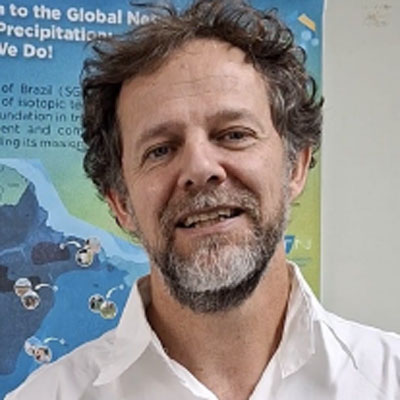
Dr. Roberto Eduardo Kirchheim
Professor
Center for Applied Geosciences (CGA-SGB), Geological Survey of Brazil, Rio de Janeiro, Brazil
Talk Title:
- Why are isotopic techniques so appreciated in environmental studies, especially involving water resources?
- Precipitation isotopic monitoring network: How and why to monitor rain isotopic fingerprints
- Practical examples of application of isotopic tracers without the best hydrogeological knowledge
- Concepts and applications on the application of noble gases in hydrology
- Different isotopic tracers of residence times and their specific applications
- Strategic discussion on public water policies in Pakistan and the adjacent region
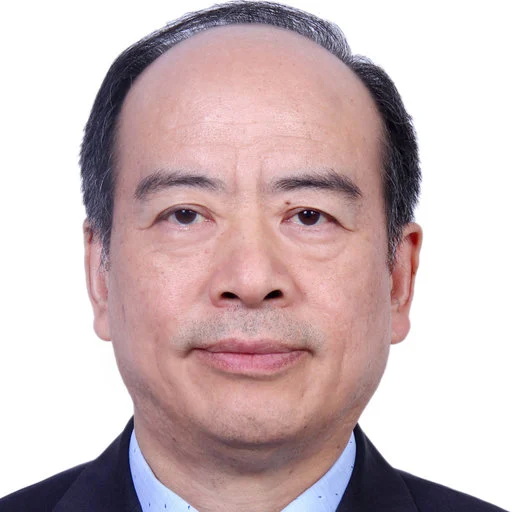
Dr. Zhonghe Pang
Professor of Hydrogeology
Institute of Geology and Geophysics, Chinese Academy of Sciences, P.R. China
Talk Title:
- Lecture 1: Groundwater in the climate-sensitive alpine environments
- Lecture 2: Groundwater flows at basin/catchment scales
- Lecture 3: Groundwater resource management according renewability and vulnerability
- Lecture 4: Groundwater pollutants: source identification with special reference to CSSI
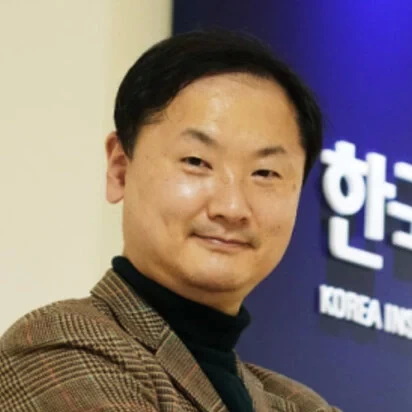
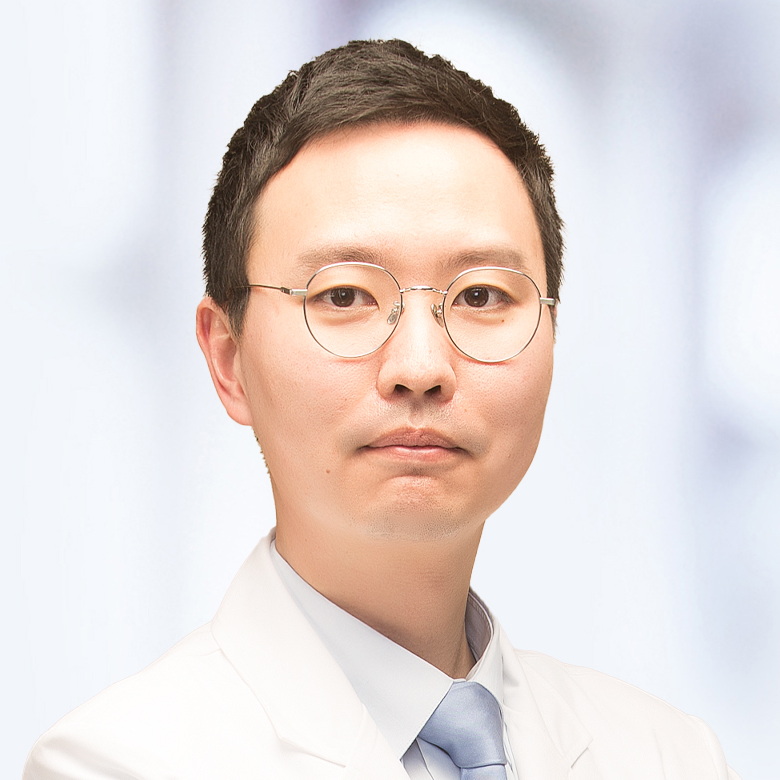
Dr. Jin Su Kim
Principal Research Scientist, Korea Institute of Radiological and Medical Sciences (KIRAMS)
Professor, Radiological & Medical Sciences, University of Science and Technology (UST)
Director, Nuclear Science, Korean Society of Nuclear Medicine, Seoul, Republic of Korea
Talk Title:
Dr. Min Seok Suh
Nuclear Medicine Physician
Department of Nuclear Medicine, Seoul National University, Republic of Korea
Talk Title:
- Lecture 1: An Introduction to Clinical Nuclear Medicine
- Lecture 2: Clinical Applications of Nuclear Medicine Imaging
- Lecture 3: Clinical Applications of Nuclear Medicine Therapy
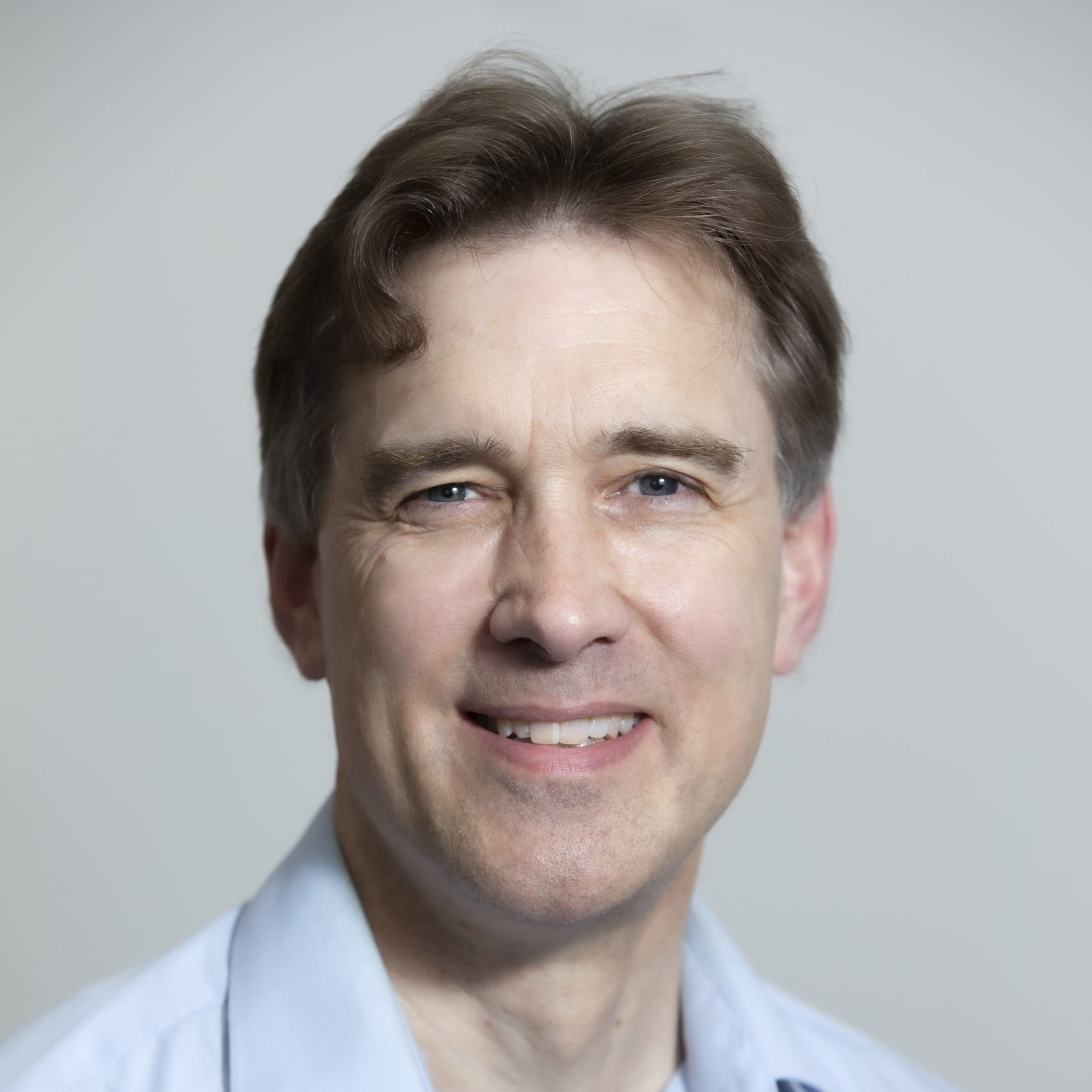
Dr. Iain Ward
ASPRONET Lead Country Coordinator, Radiation Oncologist,
Canterbury Regional Cancer and Haematology Service
Christchurch Hospital, Christchurch, New Zealand
Talk Title:
- Lecture 1: Clinical Aspects of Quality in Radiation Oncology
- Lecture 2: Strategies to Maximize Benefit from Radiotherapy Incident Reporting
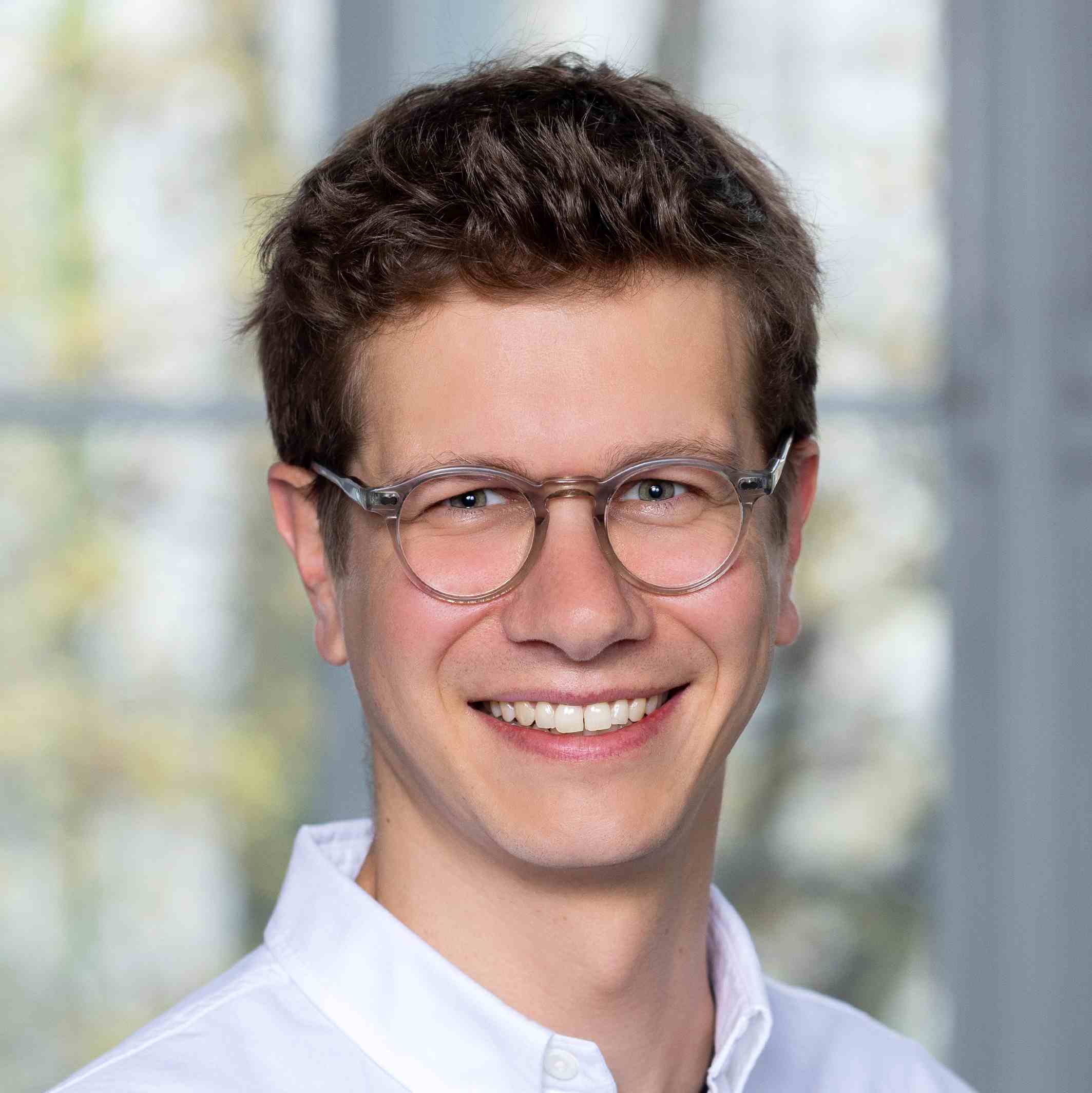
Dr. Gerd Heilemann
Department of Radiation Oncology, Medical University of Vienna, Austria
Talk Title:
- Lecture 1: From Data to Decisions: An Introduction to Artificial Intelligence in Medicine (with Applications in Radiation Oncology)
- Lecture 2: Beyond Models: Building Safe, Adaptive, and Intelligent AI Systems in Healthcare
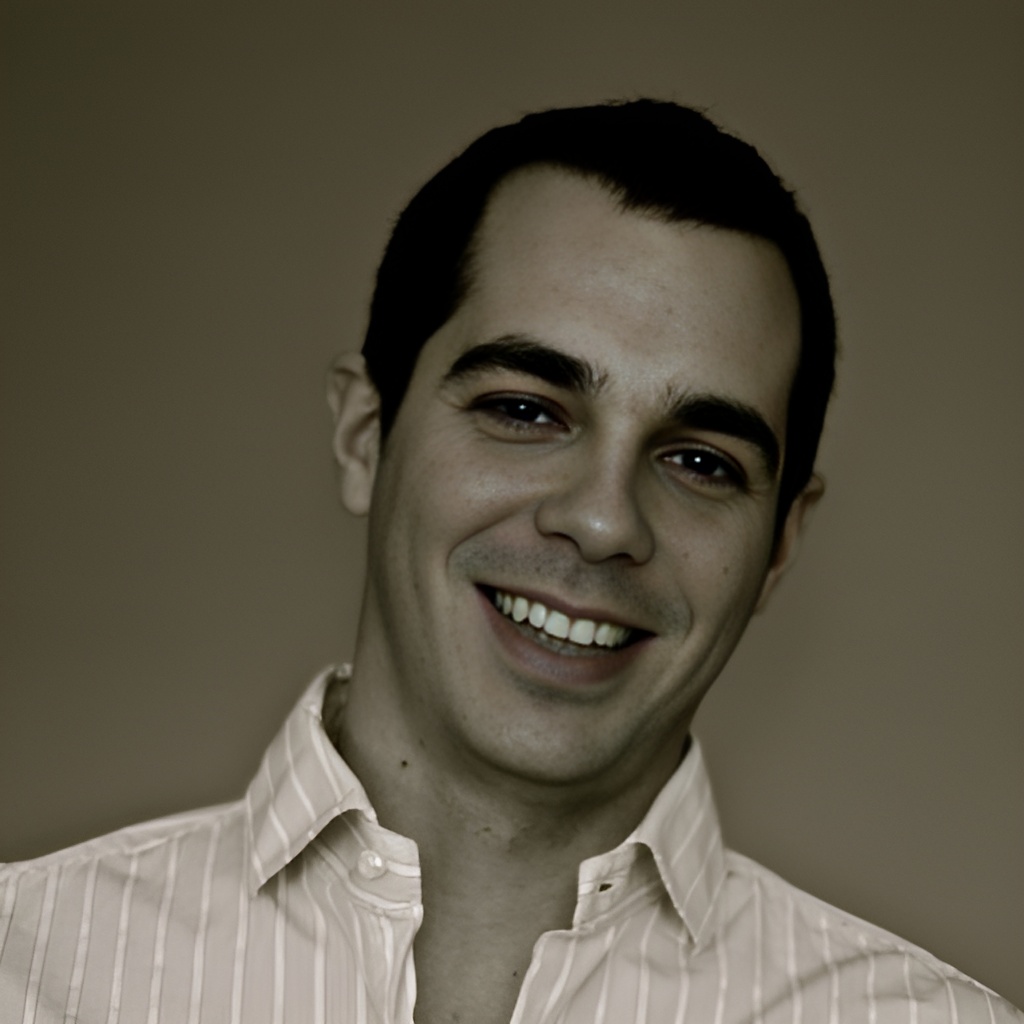
Marc Metian
IAEA Environment Laboratories (IAEA-EL), Principality of Monaco
Talk Title:
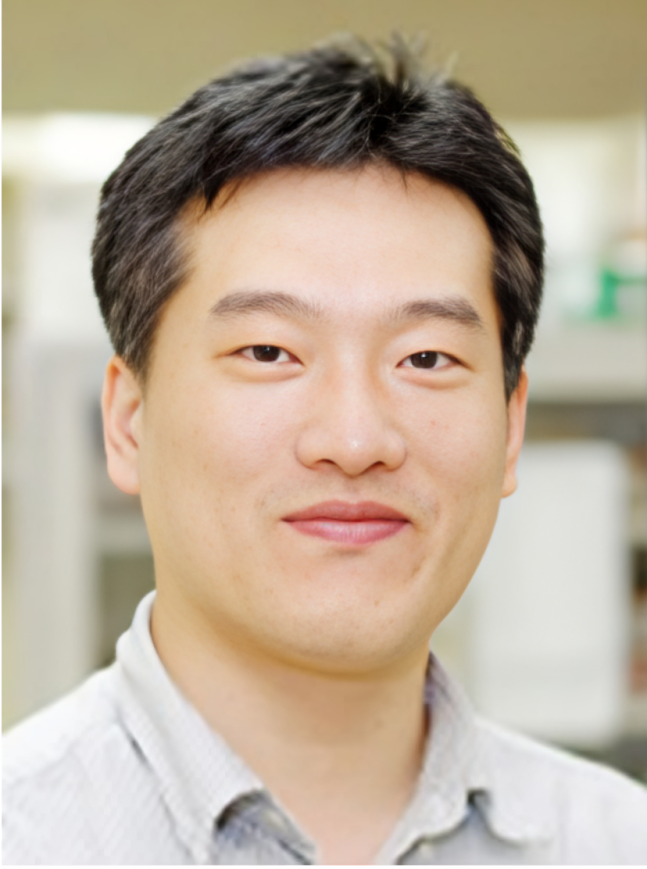
Prof. Dr. Yun-Sang Lee
Seoul National University, Department of Nuclear Medicine, Republic of Korea
Talk Title:
- Lecture 1: Introduction to radiopharmaceuticals and the production of radioisotopes
- Lecture 2: Radiopharmaceuticals currently used in clinical settings
- Lecture 3: Therapeutic radiopharmaceuticals and theranostics

Melanie Vital
Isotope Hydrologist, Isotope Hydrology Section, Division of Physical and Chemical Sciences, Department of Nuclear Sciences and Applications, International Atomic Energy Agency, Vienna, Austria
Talk Title:
- Lecture 1: Water quality and Nitrogen 15
- Lecture 2: Isotope Hydrology and Artificial Intelligence in Glacierized catchments
- Lecture 3: Managed Aquifer recharge
- Lecture 4: Radon-222 for groundwater / surface water interaction.
Tianming Huang
Professor
Institute of Geology and Geophysics, Chinese Academy of Sciences (IGGCAS), China
Talk Title:
- Lecture 1: Hydrochemical compositions and Geochemical Processes
- Lecture 2: Isotope Tracing for Water Quality (H/O/N/S/C/Sr)
- Lecture 3: Emerging Tools: Non-traditional Isotope Tracing (B/Ca/Li)
- Lecture 4: Case study: Integrating Multiple Tracers to Unravel Groundwater Quality Evolution