51st International Nathiagali Summer College on Physics and Contemporary Needs - 2026
6th – 18th July, 2026
INSC Activity - III: Applications of Nuclear Techniques in Agriculture and Biotechnology
(11th - 13th July, 2026)
Nuclear technology is playing an increasingly vital role in agriculture. Its innovative uses are driving significant advancements in food security, crop resilience, and sustainable farming practices, making it an essential tool for addressing the challenges of modern agriculture.
A key application of nuclear technology in agriculture is mutation breeding. This process involves exposing plant seeds to controlled doses of radiation to induce genetic mutations, resulting in new plant varieties with desirable traits such as enhanced resistance to pests, diseases, and environmental stresses, or improved yield and nutritional quality. This method has already produced numerous high-yielding and resilient crop varieties that are cultivated worldwide, significantly contributing to global food production and security.
To improve food security, reduce poverty and mitigate climate changing threats in agriculture sector, mutation breeding has been playing a significant role. Use of advance nuclear techniques in seed sector, environment resilience varietal development program, improve soil health and plant nutrition programs and environment friendly techniques to control the insect pests and diseases of various crop plants is a key scientific approach.
In the realm of pest management, nuclear technology provides sophisticated biological control solutions, including the Sterile Insect Technique (SIT). SIT involves sterilizing male insects through radiation and releasing them into the environment. Additionally, biological control technology, which involves the use of beneficial insects to manage pest populations, is a critical component of integrated pest management strategies. Nuclear technology supports this approach by enhancing the mass-rearing and release of beneficial insects. For example, parasitoid wasps and predatory beetles, which are natural enemies of various crop pests, can be mass-produced and released in fields to control pest populations. This method is both environmentally friendly and effective, reducing the need for synthetic chemical interventions and fostering ecological balance.
Moreover, nuclear techniques are crucial for optimizing the use of fertilizers and water in agriculture. Isotopic tracing methods allow scientists to monitor the movement and absorption of nutrients and water within plants and soils, facilitating the development of precision agriculture practices.
In conclusion, the peaceful application of nuclear technology in agriculture, including its role in biological control, offers powerful tools for enhancing food security and promoting sustainable agricultural practices. By continuing to advance and apply these technologies, we can address critical challenges in global food production, support environmental stewardship, and contribute to a more secure and prosperous future for all.
The subtopics will include;
- Development & handling of mutant populations of seed & vegetative crops
- Advances in Fruit Fly Management in fruits and vegetables through Sterile Insect Technique
- Nitrogen and Carbon Isotopic methods for nutrient use efficiency
- Application of irradiation technology in food preservation

Dr. Shaohua Zeng
Professor
South China Botanical Garden, Chinese Academy of Sciences, Guangdong Province, 510650, P.R. China
Talk Title:

Dr. Emre Aksoy
Professor
Department of Biological Sciences, Middle East Technical University, Türkiye
Talk Title:
- Lecture 1: CRISPR-Cas Genome Editing in Plants: From Fundamental Gene Discovery to Climate-Resilient Crop Improvement
- Lecture 2: Accelerating Crop Innovation by Integrating Speed Breeding with Radiation Mutagenesis for Rapid Trait Development
- Lecture 3: Targeted vs. Random Mutagenesis in Crop Improvement: Precision, Diversity, and Complementarity in Modern Plant Biotechnology

Dr. Fang Liu
Professor
Institute of Cotton Research, Chinese Academy of Agricultural Sciences, Anyang, P.R. China
Talk Title:
- Lecture 1: The Origin and evolution of Gossypium.
- Lecture 2: Evolutionary divergence of duplicated genomes in allotetraploid cottons.
- Lecture 3: GhCML44 gene regulating salt tolerance in Gossypium
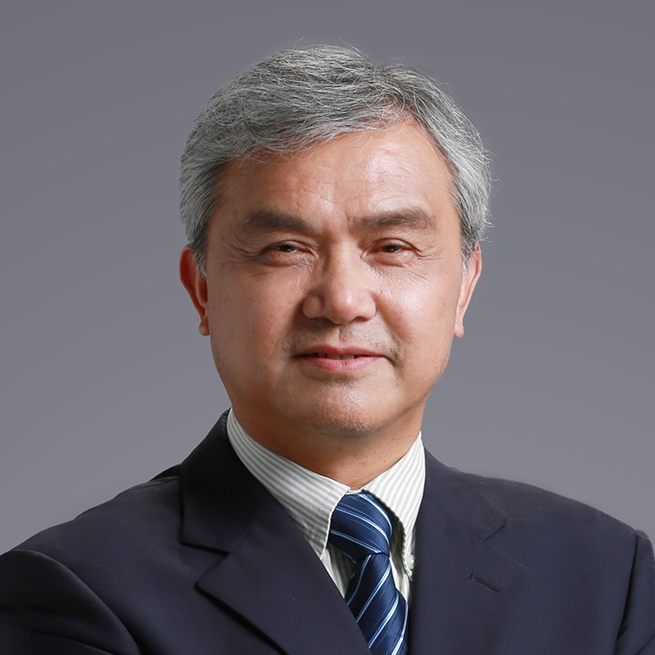
Dr. Weihuan Fang
Professor
College of Animal Sciences, Zhejiang University, Hangzhou, P.R. China
Talk Title:
- Lecture 1: Reverse genetic approaches for development of DIVA vaccines for important animal diseases
- Lecture 2: Bacterial vaccines for food animal health: Challenges and future frontiers
- Lecture 3: Improved methodologies for production of recombinant proteins for veterinary purposes
- Popular Lecture: Veterinarians and One Health Perspectives in Developing Countries

Dr. Fatma Sarsu
Plant Breeding and Genetics Subprogramme, Joint AFO/IAEA Center of Nuclear Techniques in Food and Agriculture, Vienna, Austria
Talk Title:
- Popular Lecture: Advancing Climate-Smart Crop Improvement through Nuclear and Biotechnological Innovations
- Lecture 1: Induced Mutations in Plants: Principles, Mechanisms and Contributions to Crop Improvement
- Lecture 2: From Mutation Induction to Variety Release: Strategies and Methodologies in Crops
- Lecture 3: Advanced Biotechnologies for Enhancing Efficiency in Plant Mutation Breeding
K. Yaprak Kantoglu
Head of Accelerator and Irradiation Technologies, Turkish Energy Nuclear and Mineral Research Agency (TENMAK), Ankara, Türkiye
Talk Title:
- Lecture 1: New Breeding Technologies
- Lecture 2: Nuclear Techniques and Genome Editing: Complementary Roles
- Lecture 3: Molecular Markers and Genomic Tools for Mutant Screening